

Agroecology: A Lifeline for Farmers Facing El Niño
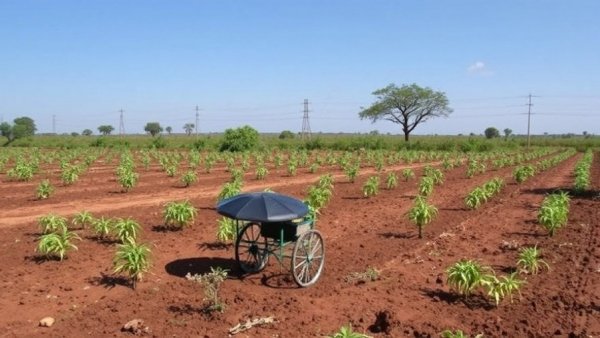
Dudzai Matsapa, a dedicated farmer from Nyanga, Zimbabwe, is confronting the heat of a changing climate with innovative farming techniques like agroecology. As El Niño is expected to unleash severe droughts and floods across southern Africa, Matsapa is preparing by digging small holes in his fields, ready to fill them with organic manure. This method, known as the potholes technique, is designed to enhance soil moisture and fertility.
Empowering Farmers Through Sustainable Practices
Agroecology not only provides an alternative to conventional practices that often degrade the land, but it has also shown promising results. According to a recent report by ActionAid, agroecological methods can produce crop yields comparable to—and in some cases greater than—industrial agricultural practices. For example, rotating legumes with cereals can boost cereal yields by an impressive 41% on average across Sub-Saharan Africa.
Adopting Drought-Resistant Varieties
Farmers like Matsapa are increasingly opting for drought-resistant crops. In doing so, they not only safeguard their harvests but also ensure food security for their families. Stories from other farmers in Zambia, like Nswau Kufanga, illustrate this shift toward hardier varieties of maize and intercropping strategies that combat pest infestations.
Healthier Soil, Healthier Harvests
Intercropping, alongside techniques like making homemade pest repellents using garlic and chili, allows farmers to cultivate diverse crops while maintaining soil vitality. Such practices are not just about immediate needs; they are part of a broader strategy of environmental stewardship that can sustain farming for future generations.
Call to Action for Young Innovators
As El Niño looms, it’s more crucial than ever for young entrepreneurs and future farmers to embrace the lessons learned from seasoned farmers like Matsapa. Agroecology offers a blueprint for resilience amidst climate change, encouraging the next generation to innovate within their own communities. How will you contribute to a sustainable future for agriculture?




Write A Comment